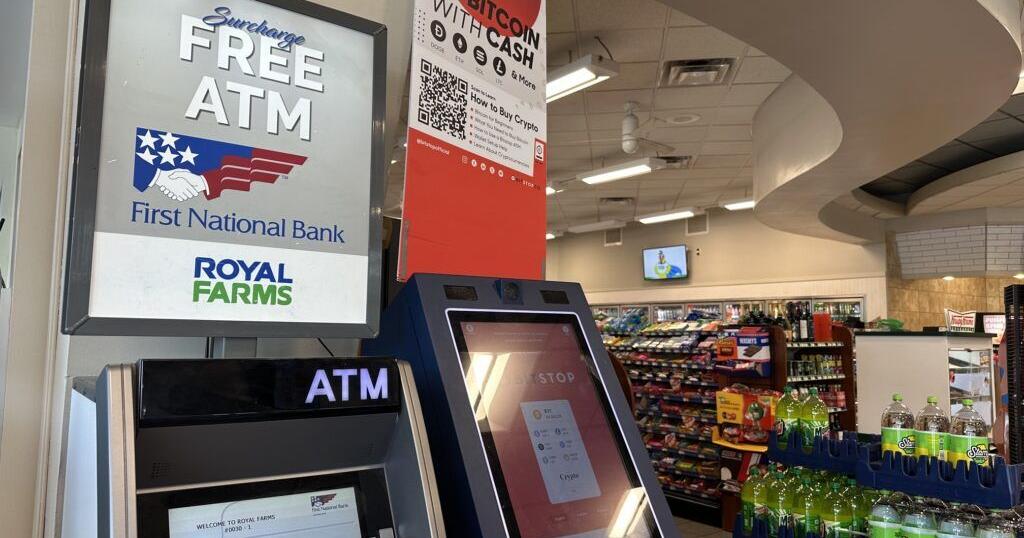
States and cities are starting a massive crack down on crypto ATMs to stop a surge in scams. Local leaders are passing new laws to limit where these machines can go and how much money people can put in them. These machines have become a major tool for criminals who want to steal cash from unsuspecting victims.
Why are states and cities cracking down on crypto ATMs?
Local officials are worried because too many people are losing their life savings to fraud at these kiosks. Unlike a bank, these machines often sit in gas stations or convenience stores where there is no one to help if something goes wrong. Scammers tell victims to go to these specific machines to send money, and once the transaction is finished, the cash is gone forever. This rise in crime has forced mayors and state representatives to take fast action to protect their residents.
Many of these new rules focus on how the machines are labeled and where they are placed. Some cities want to treat them like traditional banks, which means they need stricter oversight and better security. Officials hope that by making the machines harder to use for quick, anonymous transfers, they can slow down the rate of successful fraud. Protecting the public has become the top priority as the number of reported scams continues to climb every month.
How do crypto ATM scams work?
Scammers often call people pretending to be from the government or a utility company to create a sense of fear. They tell the victim that they owe money and must pay immediately or face arrest. The criminal then directs the person to a nearby crypto ATM to deposit cash and scan a specific code. Once the victim feeds their bills into the machine, the money is converted to digital tokens and sent to the scammer's private wallet.
- Scammers use high-pressure tactics to keep victims on the phone while they drive to the machine.
- The machines allow for fast cash transfers that are very difficult for police to track or reverse.
- Many victims are older adults who do not understand how digital currency works.
- Criminals prefer these machines because they can stay anonymous while receiving large amounts of stolen money.
What should you watch for next with crypto ATMs?
You should expect to see more warning signs and help buttons on any crypto ATM you find in public. New laws may also require these machines to have a cooling-off period, which means your money might not be sent for several hours. This delay gives victims time to realize they are being scammed and allows them to cancel the transaction before it is too late. More cities are likely to follow this trend and pass their own local bans or strict rules.
Law enforcement agencies are also getting better at tracking where the stolen money goes after it leaves the kiosk. While it is hard to get the cash back, more arrests are happening as police work with the companies that own the machines. If you see a machine that looks suspicious or does not have clear contact information, it is best to avoid using it. The goal of this crack down is to make the crypto world safer for everyone by removing the tools that criminals use most often.
What is the best way to stay safe from scams?
The most important rule is to never send money through a crypto ATM to someone you do not know personally. Real government agencies or big companies will never ask you to pay them with bitcoin or other digital tokens. If someone on the phone is telling you to go to a machine in a gas station, you are likely being targeted by a criminal. Hang up the phone and call your local police department to report the incident immediately.
Educating your friends and family about these risks is the best way to stop the surge in fraud. Many people do not realize that once they put their cash into a crypto ATM, that money is effectively gone. By sharing news about these crack downs, you help make the community a harder target for thieves. Stay alert and always double-check the facts before you make any large financial decisions at a public kiosk.
Comments
Post a Comment